



PTSD Prevention
Not everyone who experiences trauma develops PTSD — but why?
Here are a few factors that can make a big difference:
Strong social support – Feeling seen, heard, and supported by loved ones helps regulate stress and build resilience.
Healthy coping skills – Mindfulness, grounding techniques, journaling, or talking to a therapist can help process what happened.
Self-efficacy & a sense of control – When people feel they had some power or choice during or after the trauma, they may be less likely to develop PTSD. That is why centering the voice of the survivor is so important in trauma-informed care.
Resilience + genetics – Everyone’s brain and nervous system respond differently. Some are naturally more stress-resilient.
Early intervention – Getting professional support soon after trauma can significantly reduce long-term impact.
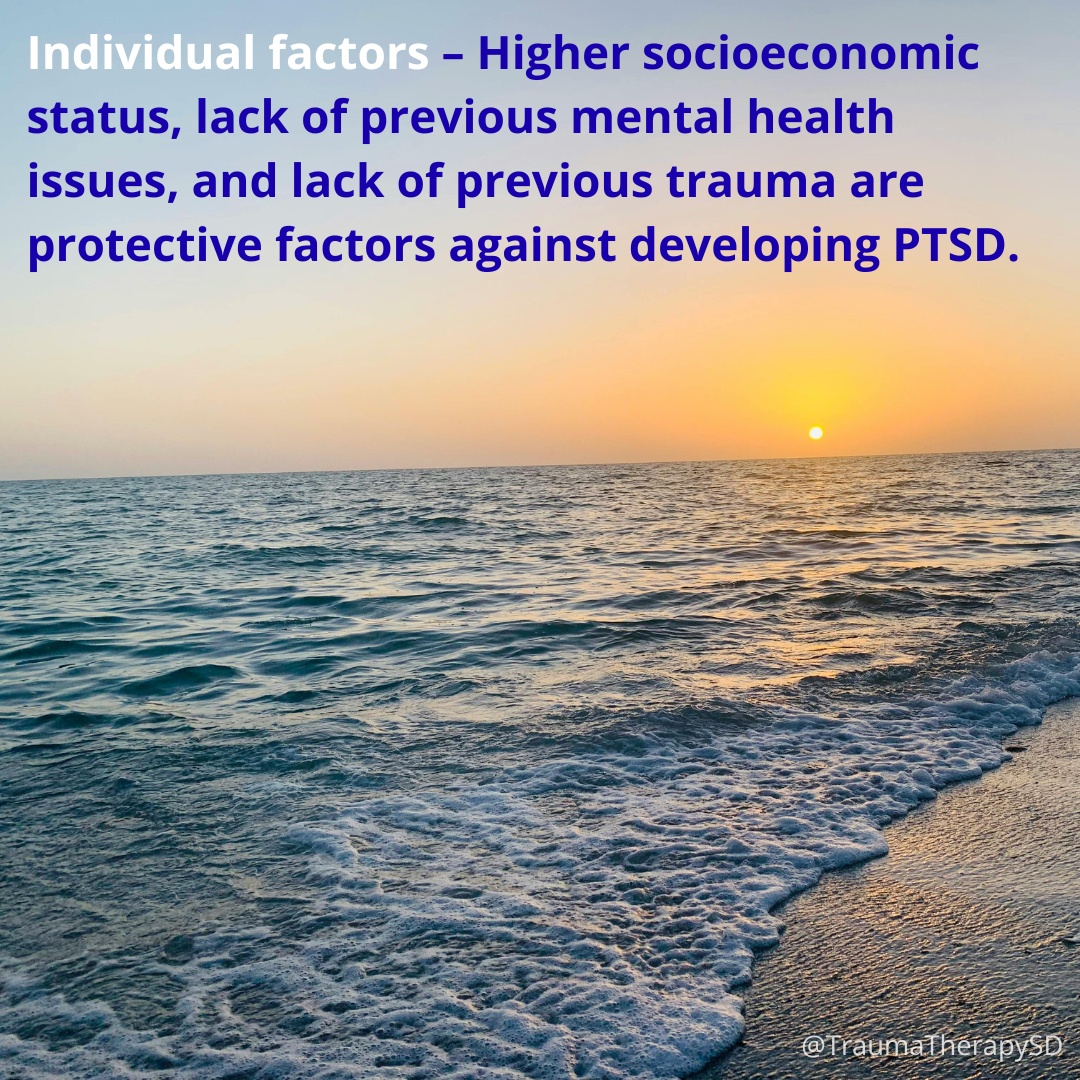
Individual factors – Higher socioeconomic status, lack of previous mental health issues, and lack of previous trauma are protective factors against developing PTSD.
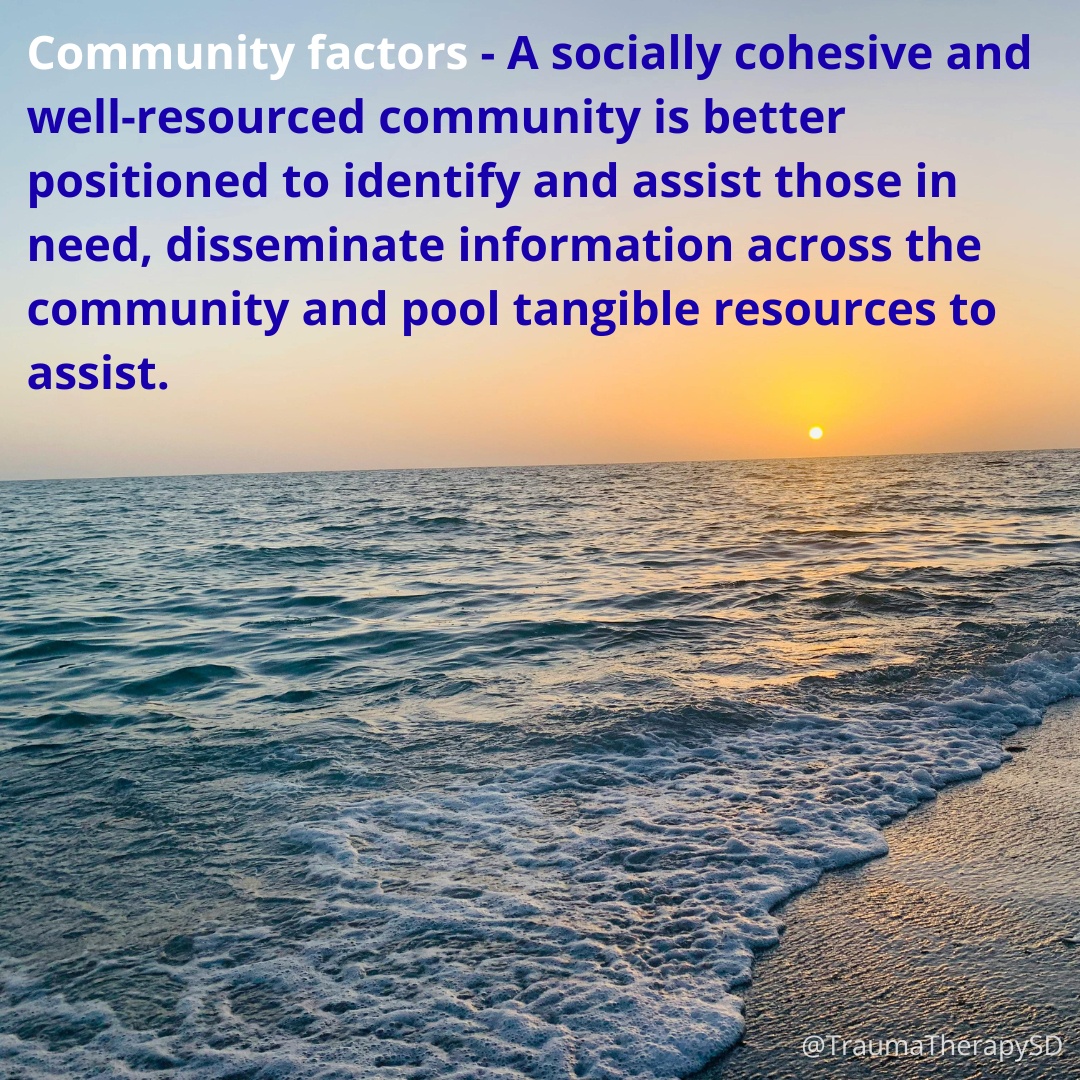
Community factors – A socially cohesive and well-resourced community is better positioned to identify and assist those in need, disseminate information across the community and pool tangible resources to assist.
PTSD isn’t a sign of weakness. But knowing what helps prevent/mitigate it can empower healing. 🌿